
The Article Examines How Premises Liability, Unsafe Property Conditions, Homeowners Insurance, and Comparative Fault Can Affect an Injury Claim in West Virginia.
, /PRNewswire/ — What should someone do if they suffer a private property injury while visiting a friend or neighbor in West Virginia? A HelloNation article answers that question by examining how state law approaches these incidents and offering clear guidance for anyone facing an unexpected accident on another person’s property. The article highlights how legal duties, safety expectations, and documentation shape the outcome of a premises liability claim.
Many readers may not realize how central premises liability is to these cases. The article explains that in West Virginia, a homeowner must keep the property reasonably safe for guests. When a homeowner ignores an unsafe condition, the consequences can be serious. The article notes that a private property injury can arise from loose steps, cluttered walkways, or poor lighting. These examples help readers see how everyday situations can lead to a claim and why homeowners’ insurance often comes into play.
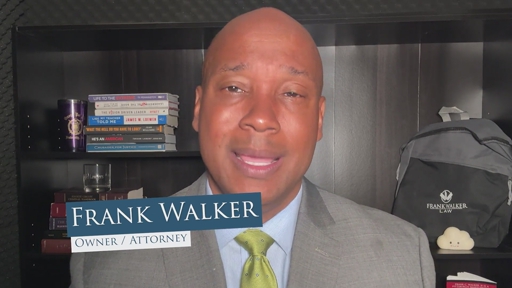
Frank Walker, a Law Expert based in Morgantown, clarifies in the article how notice of an unsafe condition affects liability. He explains that West Virginia law often examines whether the owner knew or should have known about the problem. A broken handrail that has been loose for weeks may strengthen a premises liability claim because the owner had time to fix it. The article also shows that a new hazard, such as a fresh spill, may be harder to link to negligence, but each private property injury case must be reviewed on its own merits.
The HelloNation piece also discusses how the injury’s location affects the analysis. Under West Virginia law, a backyard gathering, a front walkway, or a rented residence are all treated as private property injury scenarios. In all of these settings, the owner or the person in control of the space must take reasonable steps to avoid an unsafe condition. If the steps are dimly lit or the deck surface is unstable, those facts can influence a premises liability claim. Readers learn that warnings or posted signs may also matter, as the standard considers whether the owner acted responsibly to prevent harm.
The article emphasizes the role of medical documentation. The guidance states that an injured person should seek medical care even if the harm seems minor at first. Some injuries take time to appear, and medical documentation helps confirm how they developed. When these records are combined with photos, witness statements, and notes taken soon after the event, they help establish a clear record of how the unsafe condition caused the injury to private property. Frank Walker notes that this step often becomes key when insurers review the claim.
Homeowners insurance also appears throughout the analysis. The article explains that homeowners’ and renters’ insurance often provides financial protection when private property is damaged or destroyed. This does not mean the homeowner committed wrongdoing. Instead, it shows that the policy is designed to cover unexpected accidents arising from premises liability claims. When all documentation is gathered, the insurer may negotiate a resolution based on the details. This explanation helps readers understand the practical side of these cases and why insurers play such a significant role in West Virginia property injury claims.
The discussion also covers the damages that may be available. A person may seek recovery for medical bills, lost income, and pain suffered from the unsafe condition. West Virginia follows a comparative fault system, which allows an injured person to recover damages even if they share some responsibility for the accident, as long as their share is not greater than the property owner’s. The HelloNation article explains how comparative fault works in private property injury cases. This rule matters because accidents often involve several contributing factors. An unsafe condition, combined with the actions of both the guest and the owner, can affect the final outcome.
Frank Walker’s insights help reduce the emotional weight of these situations. Because private property injury cases often involve friends or relatives, the article explains that West Virginia law creates a structured process that protects relationships while still addressing the harm. Filing a premises liability claim does not have to damage personal connections because homeowners’ insurance typically manages the financial aspects. This point helps readers see that the claim focuses on an unsafe condition rather than blaming an individual.
The HelloNation feature concludes by encouraging injured guests to understand their rights. It explains that speaking with a professional can help determine how comparative fault, medical documentation, and homeowners’ insurance may apply. Frank Walker provides grounded guidance on evaluating the facts of a private property injury and how West Virginia law views these circumstances. His explanation gives readers clear guidance on steps that may protect their health and financial stability after an unexpected accident.
The article, Can I Sue If I Get Hurt at Someone’s House in WV?, features insights from Frank Walker, a law expert in Morgantown, WV, in HelloNation.
Attorney Frank Walker is a Law Professor, a leader in Criminal Justice Reform with a Ph.D. in leadership studies, and a sought-after criminal defense & Personal Injury attorney in Western Pennsylvania and Northern West Virginia.
About HelloNation
HelloNation is a premier media platform that connects readers with trusted professionals and businesses across various industries. Through its innovative “edvertising” approach that blends educational content and storytelling, HelloNation delivers expert-driven articles that inform, inspire, and empower. Covering topics from home improvement and health to business strategy and lifestyle, HelloNation highlights leaders making a meaningful impact in their communities.
SOURCE HelloNation
